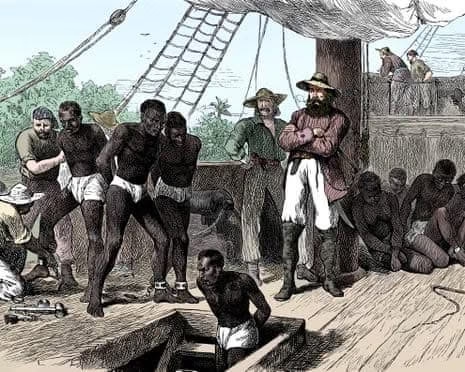
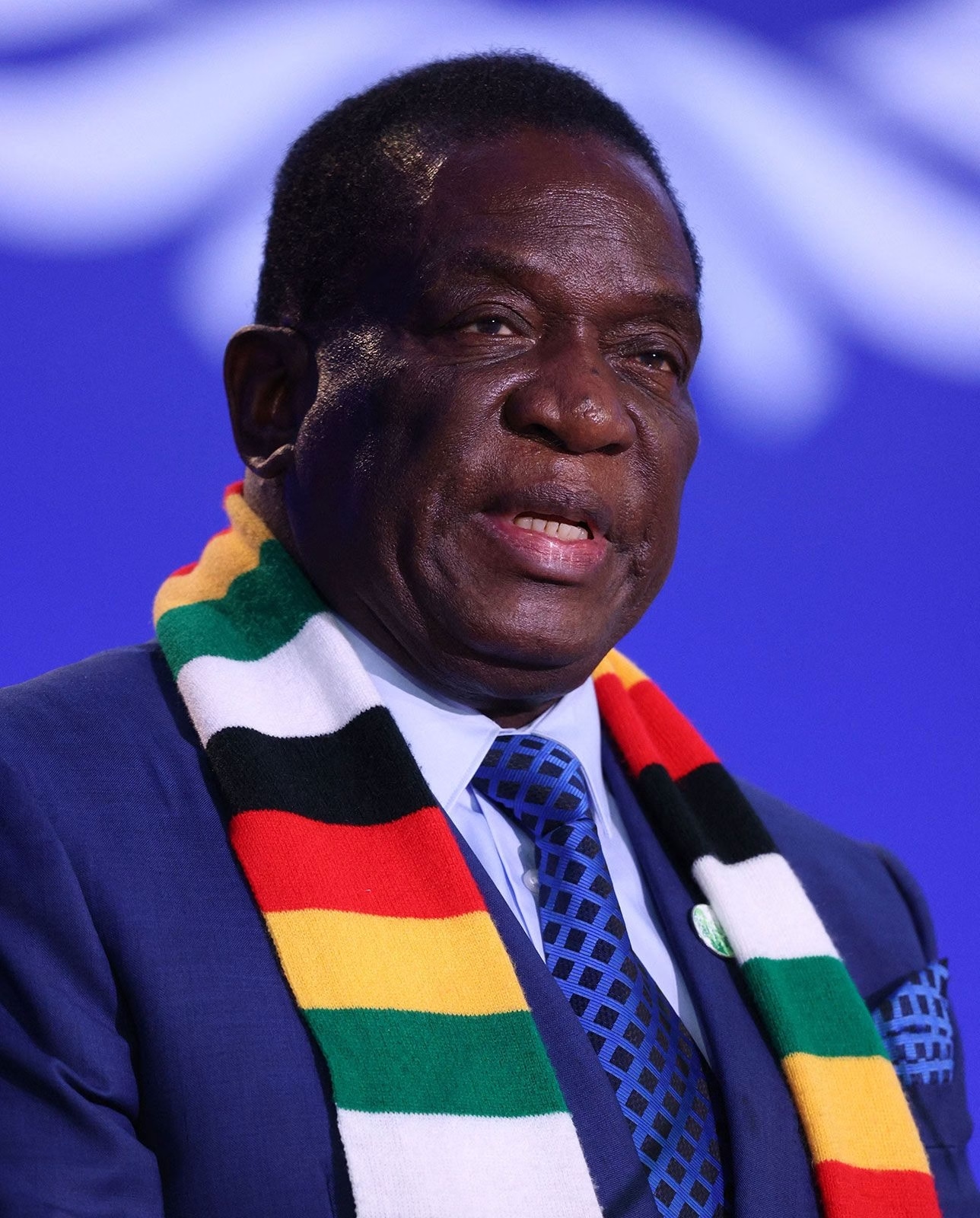
The president of Zimbabwe has rejected a whopping amount of 367 million dollars in aid from the United States of America indicating that Africa can develop without having to depend on any kind of foreign aid
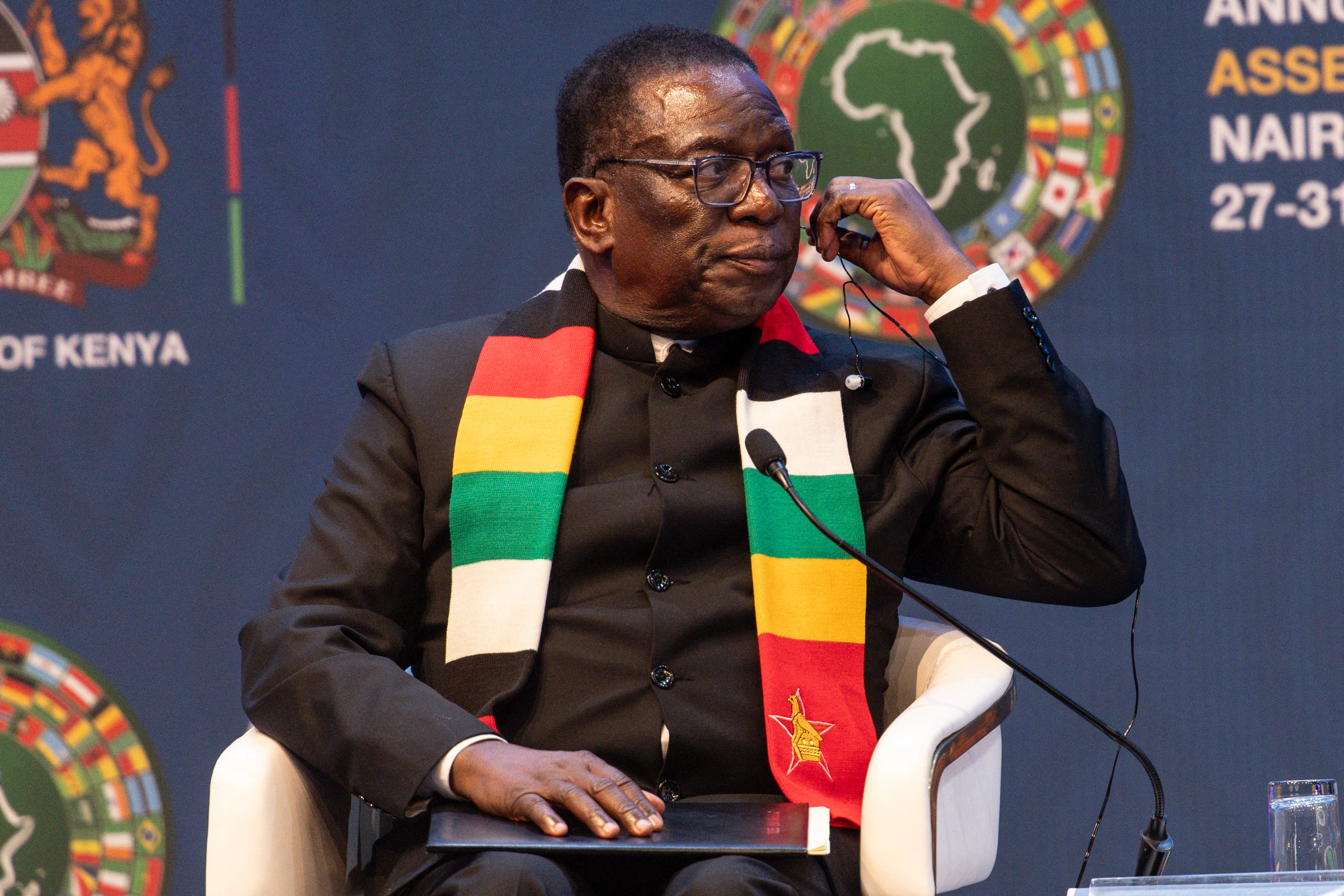
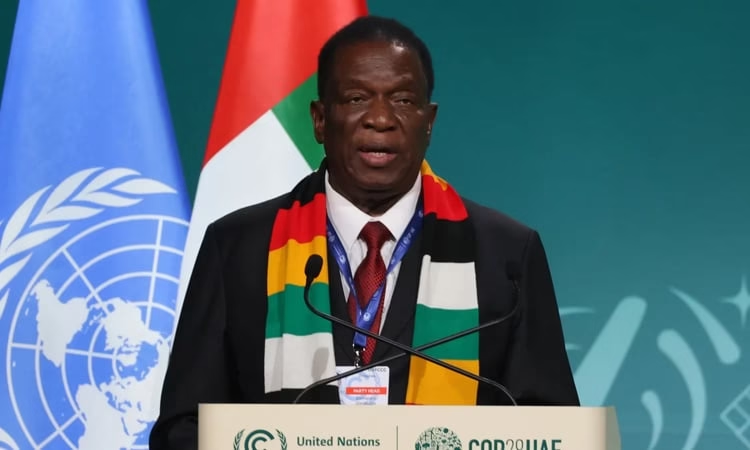
Emmerson Mnangagwa, the current president of Zimbabwe, has recently made a significant decision by rejecting a generous financial aid package from the United States, amounting to $367 million. This move marks a key moment in the country’s approach to foreign assistance and self-governance.
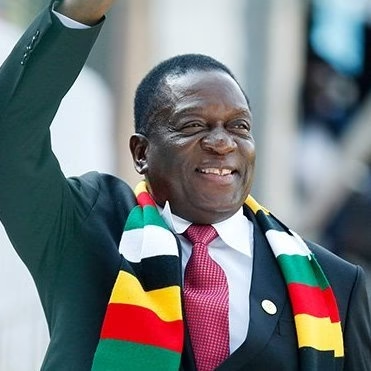
In a public statement addressing this decision, Mnangagwa emphasized the essential principle of self-reliance for African nations.
He articulated a vision where Zimbabwe has made considerable progress in its journey towards development, and he believes that the nation is now equipped to chart its own course for the future.
This rejection is framed not merely as a refusal of aid, but as a declaration of independence from historical patterns of dependency that have long characterized Zimbabwe’s economic landscape.
Mnangagwa underscored that the time has arrived for Zimbabwe to break free from its reliance on external financial lifelines. He pointed to the country’s wealth of natural resources, capable workforce, and innovative spirit as key assets that can be harnessed to drive sustainable economic growth.
He called for a strategic focus on maximizing these domestic resources to nurture a robust, self-sustaining economy.
This position reflects a larger, emerging sentiment shared by a growing number of African leaders.
Many are advocating for a shift away from dependence on foreign aid, favoring instead a model that promotes dignity, autonomy, and systemic growth within their own countries.
Mnangagwa’s stance is seen as aligning with this broader continental aspiration for greater agency and self-determination.
By championing self-sufficiency, Mnangagwa aims not only to bolster local industries but also to create meaningful employment opportunities and empower communities.
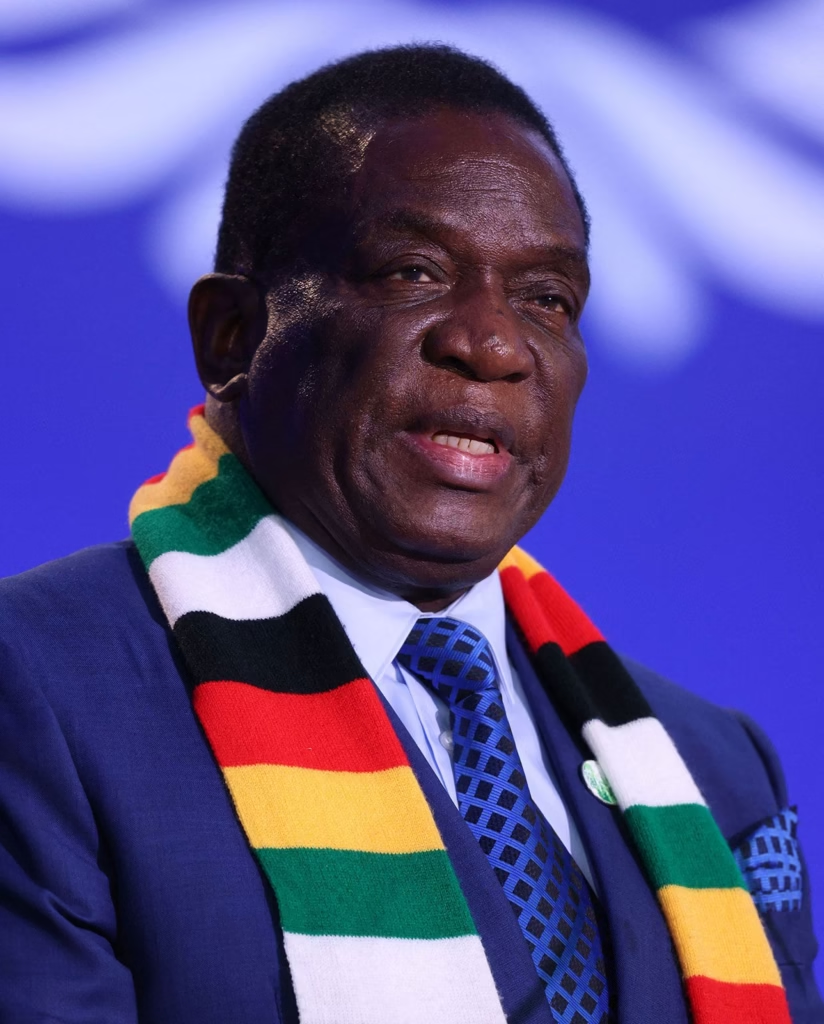
This empowerment is essential for enabling citizens to take charge of their economic futures and enhance their living standards.
Furthermore, this approach reflects a visionary outlook for African nations, advocating a move towards development strategies that emphasize local capabilities rather than reliance on external sources of funding.
By taking this bold step, Zimbabwe aspires to serve as a beacon for other nations facing similar issues of dependency and economic stagnation. In this context, Mnangagwa’s decision is not just a national policy, but an invitation for other African countries to consider alternative pathways toward economic resilience and independence.