
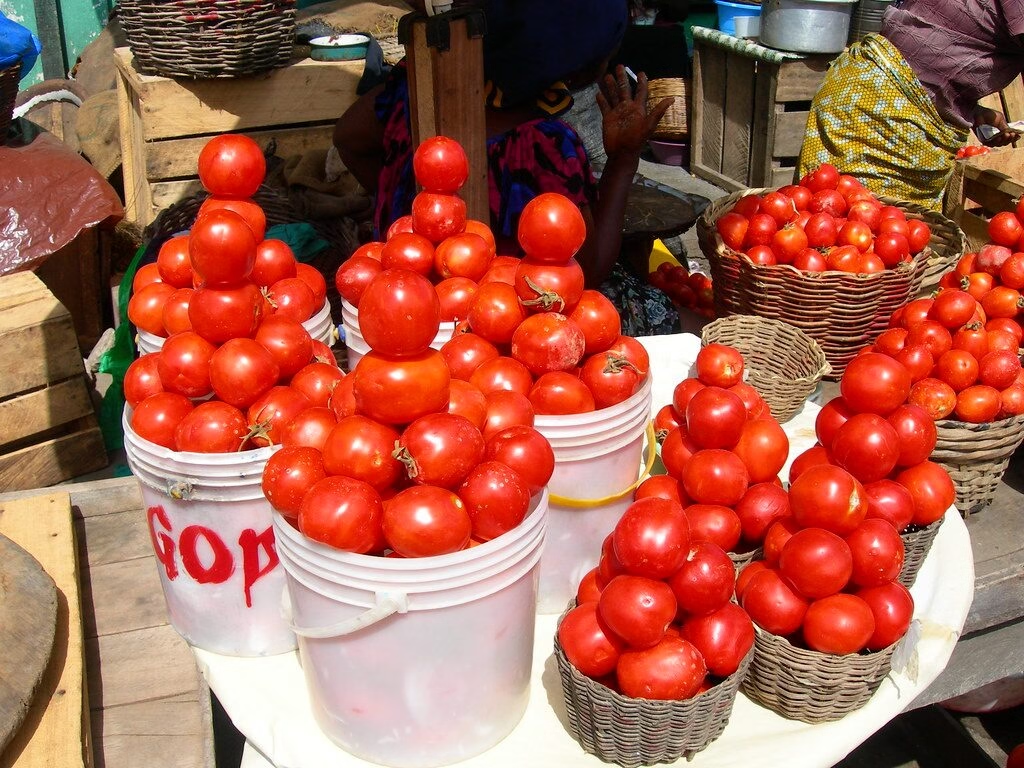
Ghanaian traders and consumers are expected to benefit from improved tomato supply following Burkina Faso’s decision to lift its suspension on fresh tomato exports, a move likely to ease market pressures and stabilise prices across the country.
The restriction, which was announced on March 16, 2026, by authorities in Burkina Faso, had halted exports nationwide in an effort to secure sufficient supply for local processing factories.
The decision had immediate effects on Ghana’s markets, where tomato prices surged due to reduced availability.
However, the Ministry of Trade, Agribusiness and Industry has confirmed that the ban has now been lifted following sustained diplomatic engagement between the two countries.
In a statement issued on April 2, 2026, the Ministry noted that high-level discussions played a key role in resolving the issue.
According to the Ministry, talks between Ghana’s Trade Minister, Elizabeth Ofosu-Adjare, and her Burkinabe counterparts on the sidelines of the World Trade Organization 14th Ministerial Conference contributed directly to the decision to resume exports.
Officials described the development as a positive outcome of ongoing bilateral cooperation, adding that efforts will continue to ensure a stable and mutually beneficial trading relationship while protecting the interests of both consumers and producers.
The lifting of the ban comes at a critical time, as Ghana intensifies efforts to strengthen its domestic tomato production. Government initiatives such as Feed the Industry and Feed Ghana are aimed at boosting local output, improving yields, and ensuring year-round supply to reduce reliance on imports.
Authorities are also investing in expanded irrigation systems and allocating land for large-scale cultivation to support farmers and improve linkages between producers and processing companies.
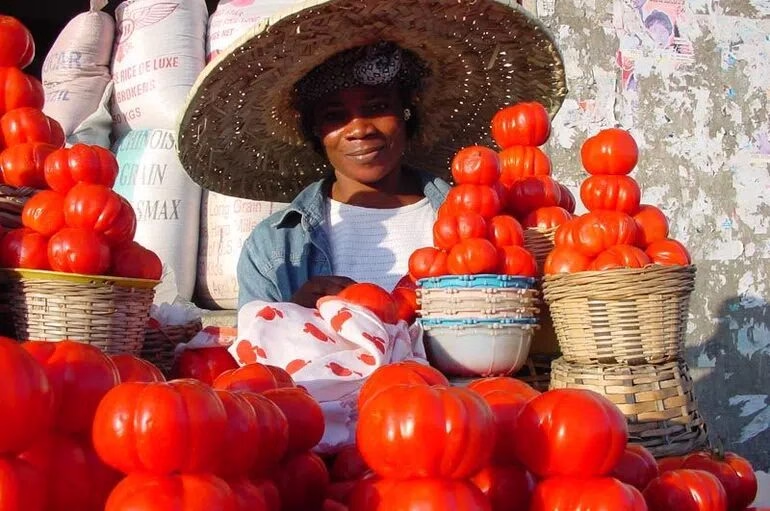
These interventions are expected to enhance resilience within the agricultural sector and reduce the impact of external supply shocks in the future.
Ghana remains heavily dependent on tomato imports from Burkina Faso, with estimates suggesting the country spends close to $100 million annually on imports from its northern neighbour.
The temporary ban had therefore placed significant strain on traders and consumers alike.
With exports now resumed, market conditions are expected to stabilise, bringing some relief to households and businesses that rely on tomatoes as a staple commodity.
The development also underscores the importance of regional trade cooperation and the need for Ghana to continue investing in local production to secure long-term food stability.


Good one
Y3nkor🔥🔥🔥