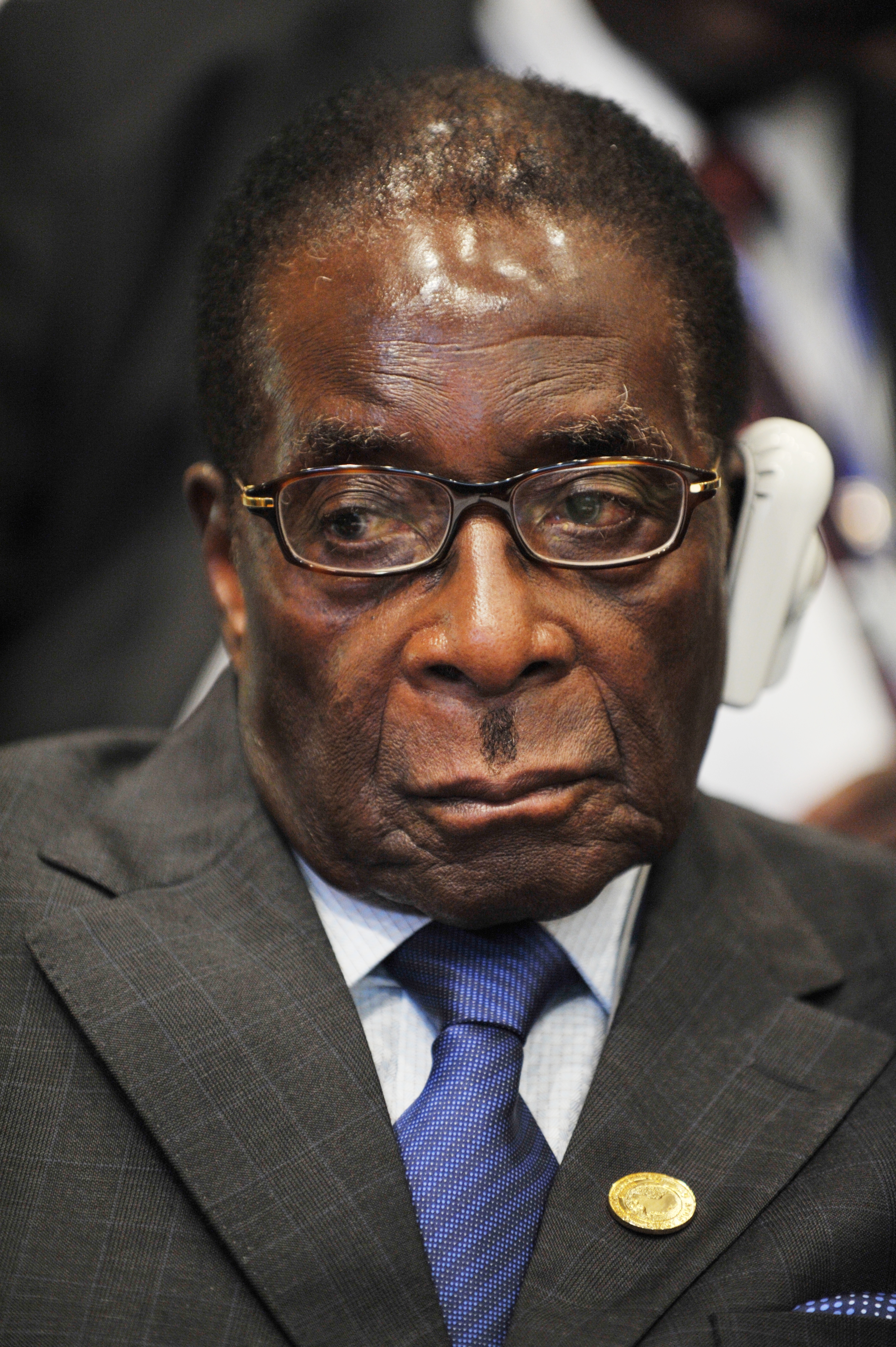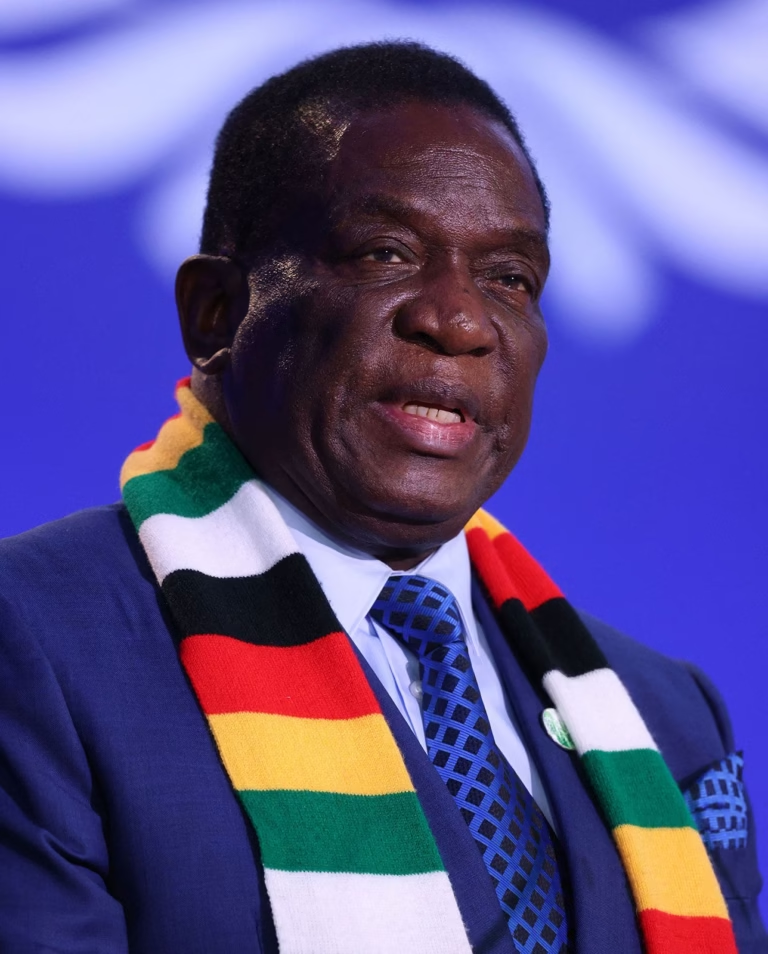
There are so many reasons why Africans must not focus on reparations now as a continent but need to establish their presence on the international front stage as a united continent of about 55 countries with one common voice that can be heard and taken into consideration…
The history of the European slave trade is a complex and multifaceted narrative that spans from the mid-15th century well into the 19th century, marking a significant period when European interests transitioned to involvement in American territories.
To truly grasp the magnitude of this dark chapter in human history, it is crucial to recognize the myriad of factors that contributed to the rise and maintenance of the slave trade. A key aspect to consider is the interplay of local power dynamics and the decisions of African leaders. It raises the question: how could external traders have enforced such exploitative practices without the complicity or direct involvement of local authorities?
During this period, many individuals who fell victim to enslavement were not taken indiscriminately; rather, they were often captured during regional conflicts. In particular, figures such as the Fantse and Ashanti chiefs were known to engage in warfare, capturing prisoners of war who would later be sold to European merchants at coastal trading posts. This transactional relationship enabled a thriving trade network that benefitted both the local chiefs and foreign traders.
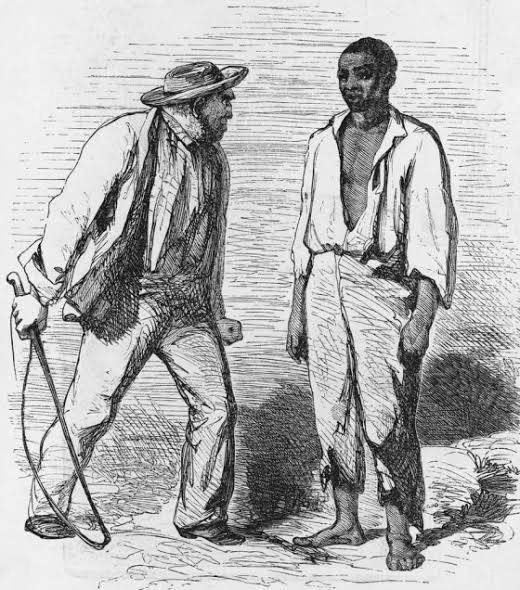
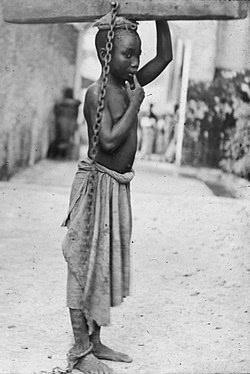
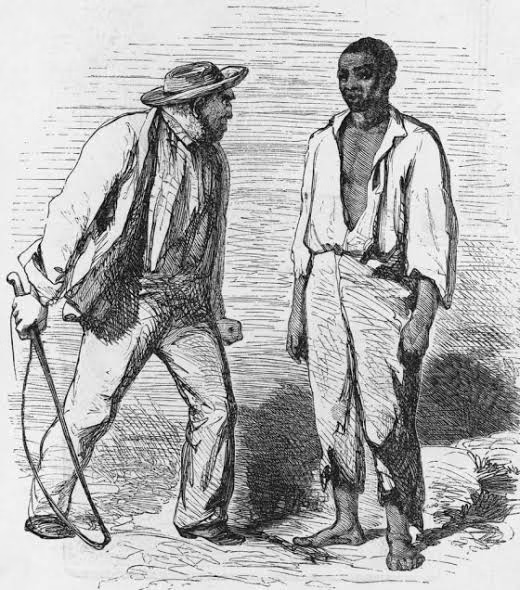
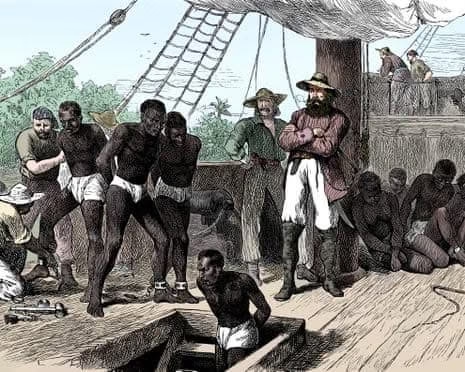
The motivations behind this participation in the slave trade varied significantly. Some chiefs actively promoted the trade, viewing it as a powerful means of accumulating wealth, influence, and military strength.
This pursuit of power could lead to short-term gains, but it came at a profound moral and ethical cost. In stark contrast to these figures were notable leaders like Nana Badu Bonsu, who took a stand against the slave trading practices of their peers.
Bonsu’s resistance and advocacy for the protection of his people underscore the complexity of the circumstances, illustrating that within Africa, reactions to the slave trade were not homogenous.
His resistance, however, had dire consequences; that same commitment to protecting his community was one of the reasons he was ultimately captured. This highlights an important truth: throughout the continent, responses to the European slave trade exhibited a wide range of attitudes and actions, making it essential to understand the broader historical context and intricacies involved.
Engaging with these historical nuances is vital for fostering a more comprehensive and informed discussion about accountability and the systemic factors that allowed such inhumane practices to flourish.
In contemporary dialogues, African leaders must shift the focus from pursuing reparations at the United Nations towards seeking substantial reforms. These reforms should aim to empower Africa, providing it with a stronger voice on the global stage and enabling its nations to advocate for their own interests and champion their own destinies.