Ghana is considering a potential fuel supply agreement with Nigeria’s Dangote Refinery as part of efforts to address rising fuel prices and reduce the burden on consumers.
The proposal was disclosed by John Dramani Mahama during a Presidential Dialogue with Civil Society Organisations held at the Jubilee House on Monday, March 30, 2026.
According to the President, the move is being explored in response to increasing global oil prices, which have significantly pushed up the cost of petrol and diesel in the country.
“Even though prices have increased, we have the opportunity to compare prices on the international market. If it means entering into an agreement with Dangote Refinery to bring finished products from Nigeria to Ghana, I think we should be able to do that,” he stated.
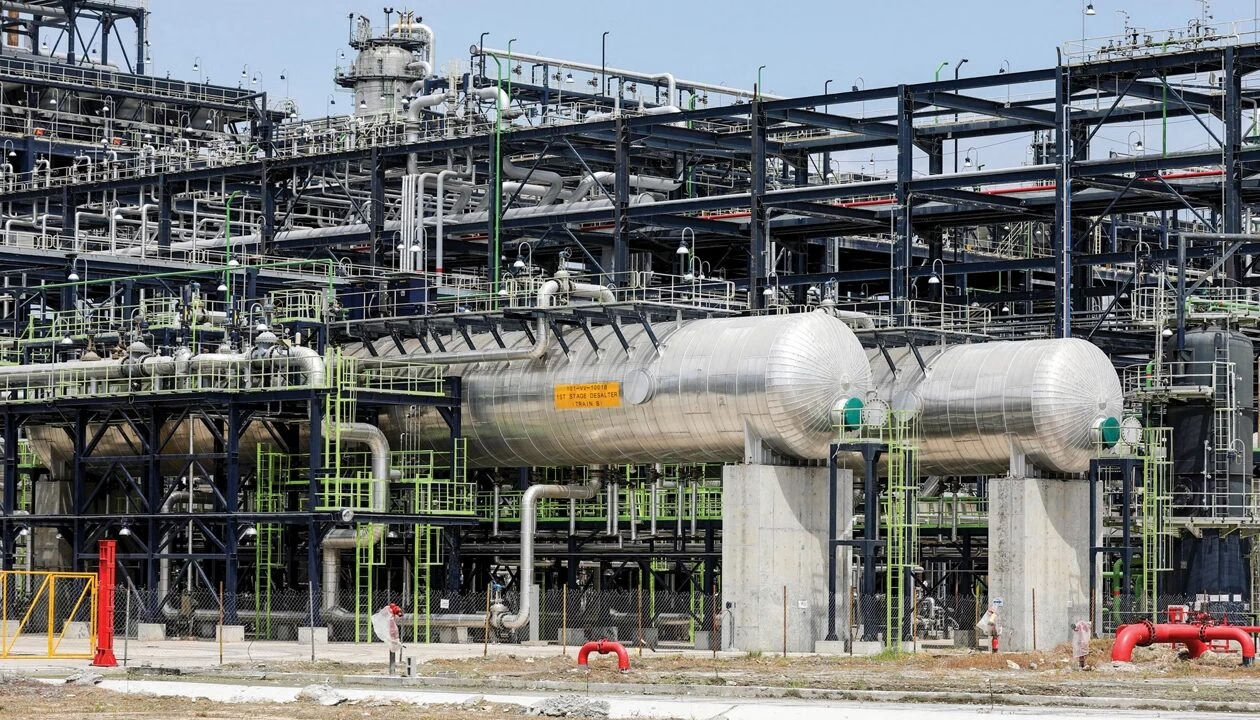
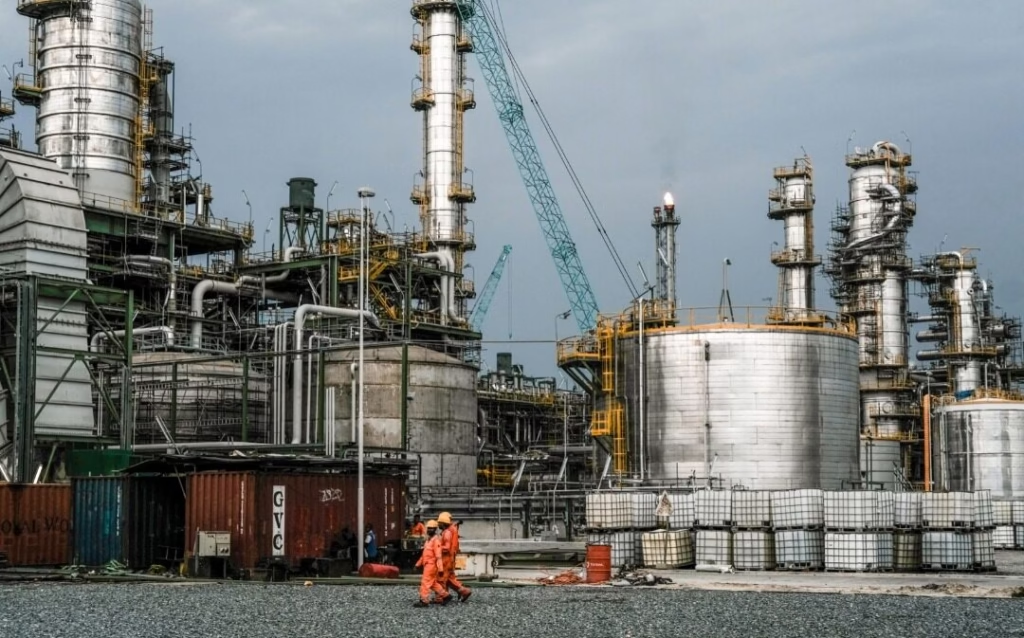
The Dangote Refinery, located in Lagos, is one of Africa’s largest oil processing facilities, with a capacity to refine approximately 650,000 barrels of crude oil per day. It was established to reduce the continent’s reliance on imported refined petroleum products and strengthen regional energy security.
For Ghana, sourcing fuel from a closer refinery could offer several advantages. A shorter supply chain may help reduce transportation costs and ease demand for foreign exchange, potentially relieving pressure on the Ghanaian cedi. Additionally, a more stable regional supply could help cushion consumers from frequent price fluctuations at the pumps.
Fuel prices in Ghana have remained volatile in recent months due to global market conditions, including geopolitical tensions and supply disruptions. These factors have contributed to rising costs for both individuals and businesses, with transport fares and general living expenses also affected.
While a deal with the Dangote Refinery could provide some relief, Ghana will still be influenced by broader global oil market trends. Industry observers note that fluctuations in crude oil prices and exchange rates will continue to play a significant role in determining fuel costs locally.
Nonetheless, the potential partnership represents a strategic shift towards regional solutions, as Ghana seeks more sustainable ways to manage energy supply and protect consumers from persistent price hikes.